

Can the best way to floss improve my tooth sensitivity?
Tooth sensitivity is a common dental issue that affects many people. It can cause discomfort and pain when consuming hot, cold, sweet, or acidic foods and beverages. While there are various factors that can contribute to tooth sensitivity, proper oral hygiene, including flossing, plays a crucial role in maintaining dental health. As a supplier of the Best Way To Floss products, I am often asked if our flossing methods and products can help improve tooth sensitivity. In this blog post, I will explore this question and provide some insights based on scientific research and our experience in the oral care industry.
Understanding Tooth Sensitivity
Before delving into the potential benefits of the best way to floss for tooth sensitivity, it's important to understand what causes this condition. Tooth sensitivity typically occurs when the protective enamel on the teeth wears down, exposing the underlying dentin. Dentin contains tiny tubules that lead to the nerve center of the tooth, and when these tubules are exposed, they can transmit sensations of pain and discomfort.

There are several factors that can contribute to enamel erosion and dentin exposure, including:
- Brushing too hard: Aggressive brushing can wear down the enamel over time.
- Acidic foods and drinks: Consuming acidic substances, such as citrus fruits, soda, and vinegar, can erode the enamel.
- Gum recession: When the gums pull back, the root surface of the teeth becomes exposed, increasing the risk of sensitivity.
- Tooth decay: Cavities can also lead to tooth sensitivity by exposing the dentin.
The Role of Flossing in Oral Health
Flossing is an essential part of a comprehensive oral hygiene routine. It helps remove plaque and food particles from between the teeth and along the gumline, areas that a toothbrush may not reach effectively. By removing plaque, flossing helps prevent the development of cavities, gum disease, and bad breath.
In addition to its preventive benefits, flossing can also help maintain the health of the gums. Healthy gums provide a protective barrier around the teeth, helping to prevent the exposure of the dentin. When the gums are healthy, they fit snugly around the teeth, reducing the risk of sensitivity.
Can the Best Way to Floss Improve Tooth Sensitivity?
The answer to this question is yes, the best way to floss can potentially improve tooth sensitivity. Here's how:
- Removing plaque and debris: By removing plaque and food particles from between the teeth, flossing helps prevent the buildup of bacteria that can cause tooth decay and gum disease. This, in turn, can help protect the enamel and reduce the risk of sensitivity.
- Massaging the gums: Flossing gently massages the gums, promoting blood circulation and helping to keep them healthy. Healthy gums are less likely to recede, which can help prevent the exposure of the dentin.
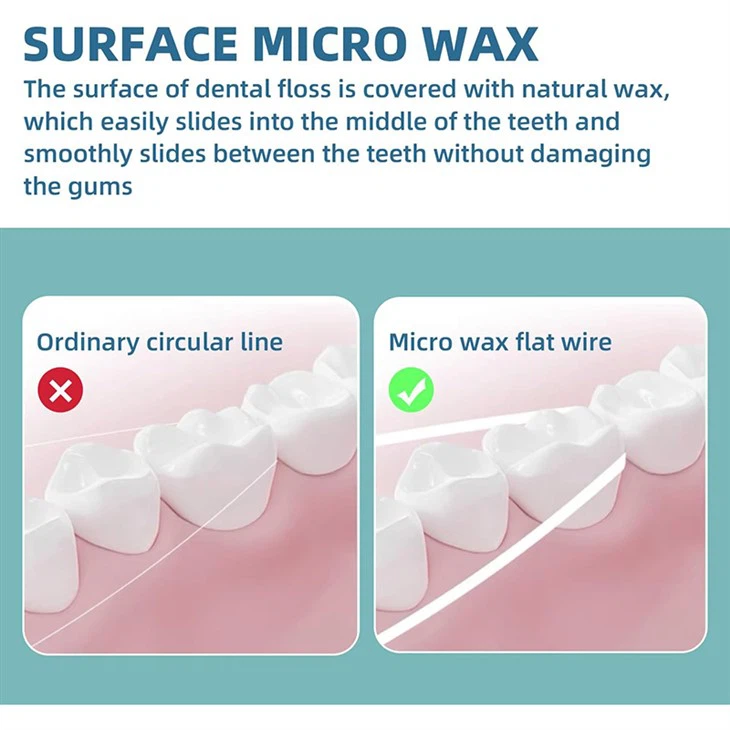
- Using the right floss: Choosing the right type of floss is important for people with tooth sensitivity. For example, waxed floss is often recommended because it glides more easily between the teeth, reducing the risk of irritation. Additionally, some flosses are specifically designed for sensitive teeth, such as those that contain fluoride or other ingredients to help protect the enamel.
Our Best Way To Floss Products
As a supplier of the Best Way To Floss products, we offer a range of flossing solutions that are designed to meet the needs of different individuals. Our products include:
- Best Way To Floss: Our flagship product, this floss is made from high-quality materials and is designed to be gentle on the teeth and gums. It is available in a variety of flavors and thicknesses to suit different preferences.
- Orthodontic Flossers: These flossers are specifically designed for people with braces or other orthodontic appliances. They are easy to use and can help remove plaque and food particles from hard-to-reach areas.
- Whitening Floss: Our whitening floss is infused with special ingredients that help remove surface stains from the teeth, leaving them looking brighter and cleaner.
Tips for Flossing with Tooth Sensitivity
If you have tooth sensitivity, here are some tips to help you floss effectively and comfortably:
- Choose the right floss: As mentioned earlier, waxed floss or floss specifically designed for sensitive teeth is a good choice.
- Be gentle: Use a gentle touch when flossing to avoid irritating the gums.
- Floss regularly: Make flossing a part of your daily oral hygiene routine to keep your teeth and gums healthy.
- Use a fluoride mouthwash: A fluoride mouthwash can help strengthen the enamel and reduce the risk of sensitivity.
- See your dentist: If you have persistent tooth sensitivity, it's important to see your dentist for a thorough examination and treatment.
Conclusion
In conclusion, the best way to floss can potentially improve tooth sensitivity by removing plaque and debris, massaging the gums, and using the right type of floss. As a supplier of the Best Way To Floss products, we are committed to providing high-quality flossing solutions that can help you maintain good oral health. If you are interested in learning more about our products or would like to discuss your specific needs, please feel free to contact us. We would be happy to assist you.
References
- American Dental Association. (n.d.). Tooth Sensitivity. Retrieved from https://www.ada.org/en/publications/ada-news/2019-archive/july/tooth-sensitivity
- Mayo Clinic. (n.d.). Tooth Sensitivity. Retrieved from https://www.mayoclinic.org/diseases-conditions/tooth-sensitivity/symptoms-causes/syc-20352305
- WebMD. (n.d.). Tooth Sensitivity: Causes, Symptoms, and Treatments. Retrieved from https://www.webmd.com/oral-health/tooth-sensitivity