

Can the best way to floss strengthen teeth?
As a supplier of the Best Way To Floss products, I've spent a great deal of time exploring the relationship between flossing and dental health. It's a common belief that flossing is essential for oral hygiene, but can it actually strengthen teeth? Let's dive into the science and practical aspects to find out.
The Basics of Flossing
Flossing is a simple yet powerful oral hygiene practice. It involves using a thin thread to clean between the teeth and along the gumline, where toothbrushes often can't reach effectively. By removing plaque, food particles, and bacteria from these hard - to - reach areas, flossing helps prevent tooth decay and gum disease.
Plaque is a sticky film of bacteria that forms on teeth. If left unchecked, it can harden into tartar, which can lead to cavities and gingivitis. Regular flossing disrupts the formation of plaque and reduces the risk of these oral health problems.
Can Flossing Strengthen Teeth?
To understand if flossing can strengthen teeth, we need to first understand what "strengthening teeth" means. Teeth are made up of a hard outer layer called enamel, which protects the inner, more sensitive parts of the tooth. Once enamel is formed, it can't be regenerated. However, maintaining a healthy oral environment can help prevent enamel erosion and tooth decay, which in turn helps keep teeth strong.
Flossing plays a crucial role in this process. By removing plaque and food debris from between the teeth, it reduces the amount of acid - producing bacteria in the mouth. These bacteria feed on the sugars in the food we eat and produce acids that can erode enamel over time. When we floss regularly, we limit the bacteria's access to food and reduce the production of these harmful acids.
In addition, flossing helps keep the gums healthy. Healthy gums are essential for supporting the teeth. Gum disease can cause the gums to pull away from the teeth, creating pockets where more bacteria can accumulate. This can lead to tooth loss in severe cases. By preventing gum disease through regular flossing, we help maintain the structural support that the gums provide to the teeth, which is an important aspect of keeping teeth strong.
Different Types of Floss and Their Impact
There are various types of floss available in the market, each with its own unique features and benefits.
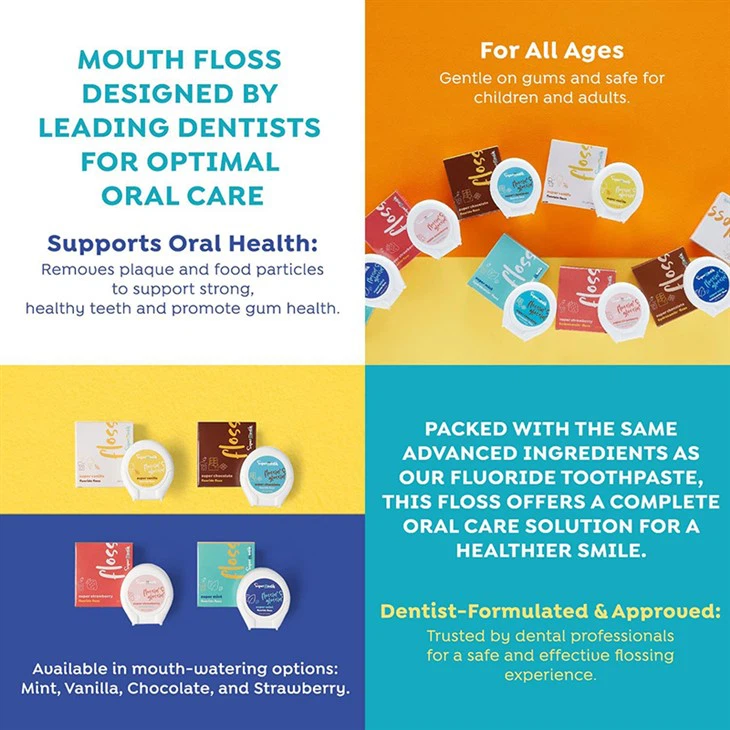

Thick Floss: Thick floss is a great option for those with wider gaps between their teeth. It can effectively clean larger spaces and remove more substantial food particles. You can find more information about Thick Floss. The thickness of the floss allows it to reach deeper into the spaces between teeth, providing a more thorough clean.
Unwaxed Floss: Unwaxed floss is often preferred by people who want a more traditional flossing experience. It can be more effective at scraping plaque off the teeth because it has a rougher texture compared to waxed floss. Check out Unwaxed Floss for more details.
Best Dental Floss for Tight Teeth: For those with closely spaced teeth, finding the right floss is crucial. The Best Dental Floss for Tight Teeth is designed to be thin and flexible, allowing it to slip easily between tight teeth without shredding.
The Best Way to Floss
Using the right technique is just as important as choosing the right type of floss. Here's a step - by - step guide on the best way to floss:
- Take about 18 inches of floss and wind most of it around one of your middle fingers. Wind the remaining floss around the middle finger of your other hand.
- Hold the floss tightly between your thumbs and index fingers, leaving about an inch of floss in between.
- Gently slide the floss between your teeth using a sawing motion. Be careful not to snap the floss into your gums, as this can cause damage.
- Once the floss reaches the gumline, curve it into a C - shape around one tooth and slide it up and down the side of the tooth, from the gumline to the top of the tooth.
- Repeat this process on the other side of the same tooth and then move on to the next tooth, using a clean section of floss each time.
Scientific Evidence
Numerous scientific studies have shown the benefits of flossing. A study published in the Journal of Clinical Periodontology found that regular flossing, in combination with brushing, significantly reduced the incidence of gingivitis compared to brushing alone. Another study in the American Journal of Dentistry demonstrated that flossing helps remove plaque from areas that are not effectively cleaned by toothbrushes, which in turn reduces the risk of tooth decay.
Our Best Way To Floss Products
As a supplier, we offer a wide range of high - quality floss products. Our floss is made from the finest materials, ensuring durability and effectiveness. Whether you need thick floss for wide gaps or thin floss for tight teeth, we have the perfect solution for you.
We are committed to providing our customers with the best oral care products. Our team of experts is constantly researching and developing new floss products to meet the evolving needs of consumers. We believe that by offering the best way to floss, we can help people maintain healthy teeth and gums.
Conclusion
So, can the best way to floss strengthen teeth? While flossing can't directly regenerate enamel or make teeth physically stronger in the traditional sense, it plays a vital role in maintaining a healthy oral environment. By preventing enamel erosion, tooth decay, and gum disease, flossing helps keep teeth strong and healthy over time.
If you're interested in learning more about our Best Way To Floss products or are looking to place an order, we'd love to hear from you. Whether you're a dental professional, a retailer, or an individual looking for high - quality floss, we're here to assist you. Please reach out to us to start a conversation about your flossing needs and how our products can benefit you.
References
- Journal of Clinical Periodontology
- American Journal of Dentistry