

Flossing is an essential part of oral hygiene, helping to remove plaque and food particles from between teeth where a toothbrush can't reach. When it comes to orthodontic treatment, specifically dealing with buccal tubes, the choice of floss becomes crucial. As a supplier of thick floss, I often get asked whether thick floss can be used for flossing buccal tubes. In this blog, we'll explore this question in detail, considering the properties of thick floss and the requirements of cleaning buccal tubes.

Understanding Buccal Tubes
Buccal tubes are small metal or ceramic devices attached to the back teeth in orthodontic treatment. They serve as anchors for the archwire, which is an essential component of braces. These tubes are located on the outer (buccal) side of the teeth and can trap food particles and plaque, just like the spaces between regular teeth. Poor cleaning around buccal tubes can lead to plaque buildup, tooth decay, and gum problems. Therefore, proper flossing around these tubes is vital for maintaining good oral health during orthodontic treatment.
Properties of Thick Floss
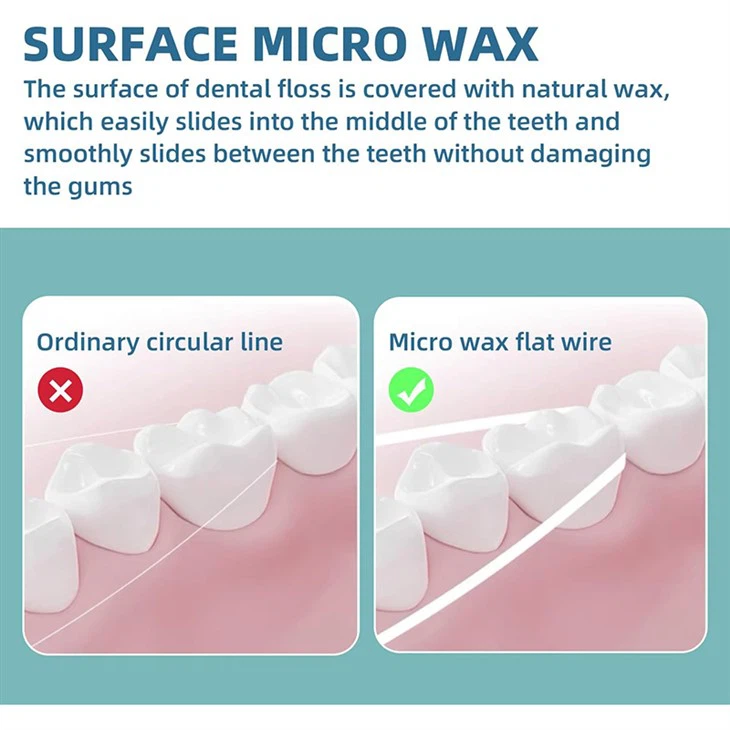
Thick floss, as the name suggests, has a larger diameter compared to regular floss. This increased thickness can offer several advantages. Firstly, thick floss is often more durable and less likely to break or shred during use. This is particularly important when dealing with the complex structures of braces, including buccal tubes. The sturdiness of thick floss allows it to navigate around the wires and brackets without getting easily caught or torn.
Secondly, thick floss can be more effective in removing larger food particles. It has a greater surface area in contact with the teeth and can dislodge debris more efficiently. This can be beneficial when cleaning around buccal tubes, as these areas are prone to trapping larger pieces of food.
Can Thick Floss Be Used for Flossing Buccal Tubes?
The answer is yes, thick floss can be used for flossing buccal tubes, but with some considerations. The key is to ensure that the thick floss can pass through the small spaces around the buccal tubes and between the teeth. In most cases, if the thick floss is flexible enough, it can be threaded through these areas. However, if the floss is too thick and rigid, it may not fit properly and could cause discomfort or even damage to the braces or teeth.
When using thick floss for buccal tubes, it's important to be gentle. Start by carefully threading the floss under the archwire and around the buccal tube. Use a back - and - forth motion to clean the sides of the tooth and the area around the tube. Be sure to clean both the buccal (outer) and lingual (inner) sides of the tooth.
Advantages of Using Thick Floss for Buccal Tubes
- Enhanced Cleaning Power: As mentioned earlier, thick floss has a larger surface area, which allows it to remove more plaque and debris. This is especially important around buccal tubes, where plaque can accumulate more easily due to the presence of the orthodontic appliances.
- Durability: Thick floss is less likely to break or fray, which is a significant advantage when dealing with the complex structure of braces. You can use it multiple times without worrying about it snapping in the middle of the flossing process.
- Better Control: The increased thickness of the floss gives you more control while flossing. You can easily maneuver it around the buccal tubes and between the teeth, ensuring a thorough cleaning.
Disadvantages and Challenges
- Difficulty in Threading: If the thick floss is too rigid, it may be difficult to thread it through the small spaces around the buccal tubes. This can be frustrating, especially for patients who are new to flossing with braces.
- Potential for Discomfort: In some cases, thick floss may cause discomfort, especially if it is too tight against the teeth or the braces. This can be a deterrent for some patients, leading to poor compliance with flossing.
Alternatives to Thick Floss for Buccal Tubes
If thick floss proves to be too difficult to use for flossing buccal tubes, there are other options available. Orthodontic Flossers are specifically designed for use with braces. They have a small pick or threader at one end, which makes it easier to thread the floss through the spaces around the buccal tubes.
Another option is Whitening Floss. While its primary function is to whiten teeth, it can also be used for regular flossing, including around buccal tubes. It is usually thinner than thick floss, which may make it easier to thread through the braces.
Eco Friendly Floss is also a great alternative. It is made from natural materials and is gentle on the teeth and gums. It can be a good choice for patients who are concerned about the environmental impact of their oral care products.
Tips for Using Thick Floss with Buccal Tubes
- Choose the Right Floss: Look for thick floss that is flexible and has a smooth texture. This will make it easier to thread through the spaces around the buccal tubes.
- Be Patient: Flossing with braces can be time - consuming and challenging. Take your time and be gentle to avoid damaging the braces or causing discomfort.
- Practice Regularly: The more you practice flossing with thick floss, the easier it will become. Make it a part of your daily oral hygiene routine.
Conclusion
In conclusion, thick floss can be a viable option for flossing buccal tubes, offering enhanced cleaning power and durability. However, it may not be suitable for everyone, and there are alternative products available. As a thick floss supplier, I understand the importance of providing high - quality products that meet the diverse needs of patients. Whether you choose thick floss or one of the alternatives, the key is to maintain good oral hygiene during orthodontic treatment.
If you're interested in purchasing our thick floss or have any questions about its use for flossing buccal tubes, we'd love to hear from you. Contact us to discuss your specific needs and explore how our products can help you maintain optimal oral health during orthodontic treatment.
References
- American Dental Association. (2023). Oral Hygiene During Orthodontic Treatment.
- Journal of Clinical Orthodontics. (2022). The Importance of Flossing in Orthodontic Patients.