

Does Charcoal Floss need to be replaced frequently?
As a supplier of charcoal floss, I often get asked about the frequency of replacing this unique oral care product. Charcoal floss has gained popularity in recent years due to its potential benefits, such as teeth whitening and antibacterial properties. But how often should you swap out your charcoal floss for a new one? Let's delve into the science and practical considerations behind this question.
The Basics of Charcoal Floss
Charcoal floss is a type of dental floss infused with activated charcoal. Activated charcoal is known for its porous structure, which allows it to adsorb impurities and toxins. In the context of oral care, this means that charcoal floss can potentially trap food particles, plaque, and bacteria between your teeth more effectively than traditional floss. Additionally, some people believe that charcoal floss can help whiten teeth by removing surface stains.
Factors Affecting the Replacement Frequency
Several factors determine how often you should replace your charcoal floss. These include the quality of the floss, your oral hygiene habits, and your diet.
Quality of the Floss
The quality of the charcoal floss you use plays a significant role in its durability and effectiveness. Higher-quality flosses are typically made with stronger materials and better manufacturing processes, which means they are less likely to break or fray during use. If you're using a high-quality charcoal floss, you may be able to use it for a longer period before needing to replace it.
On the other hand, lower-quality flosses may start to show signs of wear and tear after just a few uses. These flosses may break easily, leaving behind small pieces in your mouth, or they may lose their ability to effectively clean between your teeth. In general, it's recommended to invest in a good-quality charcoal floss to ensure optimal performance and longevity.
Oral Hygiene Habits
Your oral hygiene habits also influence how often you should replace your charcoal floss. If you floss regularly and thoroughly, you may need to replace your floss more frequently than someone who only flosses occasionally. This is because regular flossing exposes the floss to more food particles, plaque, and bacteria, which can cause it to become dirty and less effective over time.
Additionally, if you have a habit of using excessive force when flossing, you may be more likely to damage the floss, leading to a shorter lifespan. To prevent this, it's important to use a gentle, back-and-forth motion when flossing and to avoid forcing the floss between your teeth.
Diet
Your diet can also impact the replacement frequency of your charcoal floss. If you consume a lot of sticky or sugary foods, you may find that your floss gets dirty more quickly. These types of foods can stick to the floss, making it less effective at cleaning between your teeth. In this case, you may need to replace your floss more often to ensure that it continues to work properly.

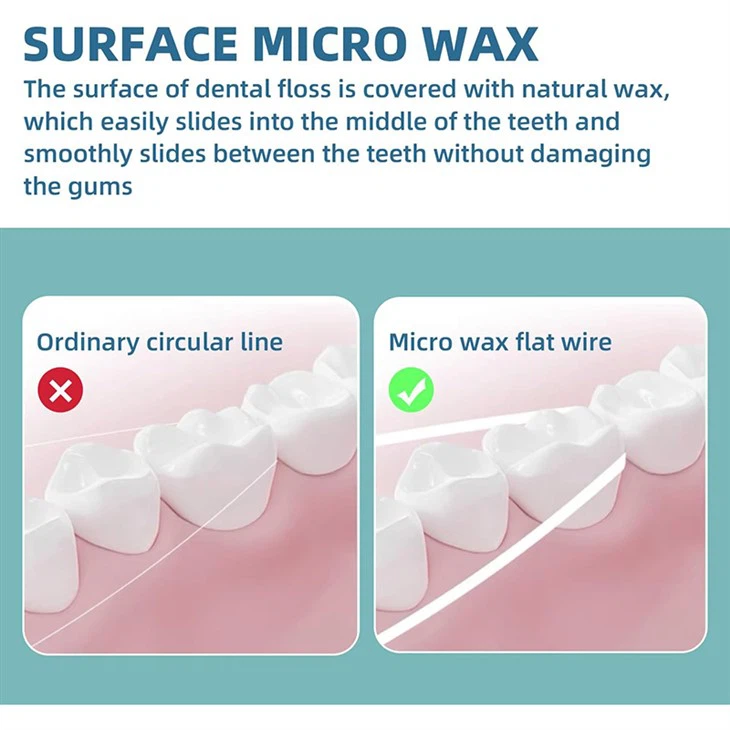
On the other hand, if you have a relatively clean diet that is low in sticky and sugary foods, your floss may last longer. However, it's still important to replace your floss regularly, even if you have a healthy diet, to maintain good oral hygiene.
General Guidelines for Replacement
While the exact replacement frequency of charcoal floss can vary depending on the factors mentioned above, there are some general guidelines that you can follow.
For Regular Use
If you floss once a day, it's generally recommended to replace your charcoal floss every 1 - 2 weeks. This allows you to use a fresh, clean floss that is more effective at removing plaque and bacteria from between your teeth. However, if you notice that the floss is starting to break or fray, or if it no longer seems to be cleaning your teeth as well as it used to, you should replace it immediately.
For Occasional Use
If you only floss occasionally, you may be able to use the same piece of charcoal floss for a longer period. In this case, it's still a good idea to replace the floss every 2 - 3 weeks to ensure that it remains clean and effective.
Benefits of Regularly Replacing Charcoal Floss
Regularly replacing your charcoal floss offers several benefits for your oral health.
Improved Cleaning
A fresh piece of charcoal floss is more effective at removing plaque and bacteria from between your teeth. Over time, the floss can become clogged with food particles and debris, which reduces its ability to clean effectively. By replacing your floss regularly, you can ensure that you're getting the most out of your oral hygiene routine.
Reduced Risk of Bacterial Growth
Bacteria can grow on used floss, especially if it's not stored properly. By replacing your floss regularly, you can reduce the risk of bacterial growth and prevent the spread of harmful bacteria in your mouth.
Maintained Whitening Effect
If you're using charcoal floss for its teeth-whitening properties, regularly replacing the floss can help maintain the whitening effect. As the floss becomes dirty, it may lose its ability to effectively remove surface stains from your teeth. By using a fresh piece of floss, you can continue to see the benefits of teeth whitening.
Where to Find the Best Charcoal Floss
When it comes to finding the best charcoal floss, there are several options available. You can find charcoal floss at most drugstores, supermarkets, and online retailers. However, it's important to choose a high-quality floss that is made with safe and effective ingredients.
If you're looking for more information on the best way to floss, you can visit Best Way To Floss. This website provides detailed instructions on how to floss properly to maximize the benefits of your oral hygiene routine.
For those interested in whitening floss specifically, Whitening Floss offers a comprehensive guide to different types of whitening flosses, including charcoal floss.
If you're environmentally conscious, you might want to check out Eco Friendly Dental Floss. This page provides information on eco-friendly floss options, including some charcoal flosses that are made with sustainable materials.
Conclusion
In conclusion, the frequency of replacing charcoal floss depends on several factors, including the quality of the floss, your oral hygiene habits, and your diet. In general, it's recommended to replace your charcoal floss every 1 - 2 weeks if you floss regularly, and every 2 - 3 weeks if you floss occasionally. Regularly replacing your charcoal floss offers several benefits for your oral health, including improved cleaning, reduced risk of bacterial growth, and maintained whitening effect.
If you're interested in purchasing high-quality charcoal floss for your customers, we invite you to contact us for a procurement discussion. We offer a wide range of charcoal floss products that are designed to meet the needs of different consumers. Whether you're a retailer looking to stock our products or a distributor interested in partnering with us, we'd love to hear from you.
References
- American Dental Association. (2023). Dental Floss: How to Floss Your Teeth.
- Journal of Oral Hygiene and Community Dentistry. (2022). The Effectiveness of Different Types of Dental Floss in Plaque Removal.
- International Journal of Environmental Research and Public Health. (2021). Sustainable Oral Care Products: A Review.