

Taking care of your first toothbrush is not just a simple task; it's an essential part of maintaining good oral hygiene, especially for children. As a supplier of My First Toothbrush, I understand the importance of proper toothbrush care and want to share some valuable insights with you.
Why Taking Care of Your First Toothbrush Matters
The first toothbrush is a significant milestone in a child's life. It marks the beginning of their oral care journey. A well - cared - for toothbrush can effectively clean teeth, prevent cavities, and promote healthy gums. On the other hand, a poorly maintained toothbrush can become a breeding ground for bacteria, which can lead to various oral health issues.
Initial Cleaning of the Toothbrush
When you first receive your My First Toothbrush, it's crucial to give it a thorough cleaning. Rinse the toothbrush under running water to remove any manufacturing residues. You can also soak it in a mild, child - safe antiseptic solution for a few minutes. This will help to kill any potential germs that may be present on the brush. After soaking, rinse it again thoroughly to remove the antiseptic.

Regular Cleaning Routine
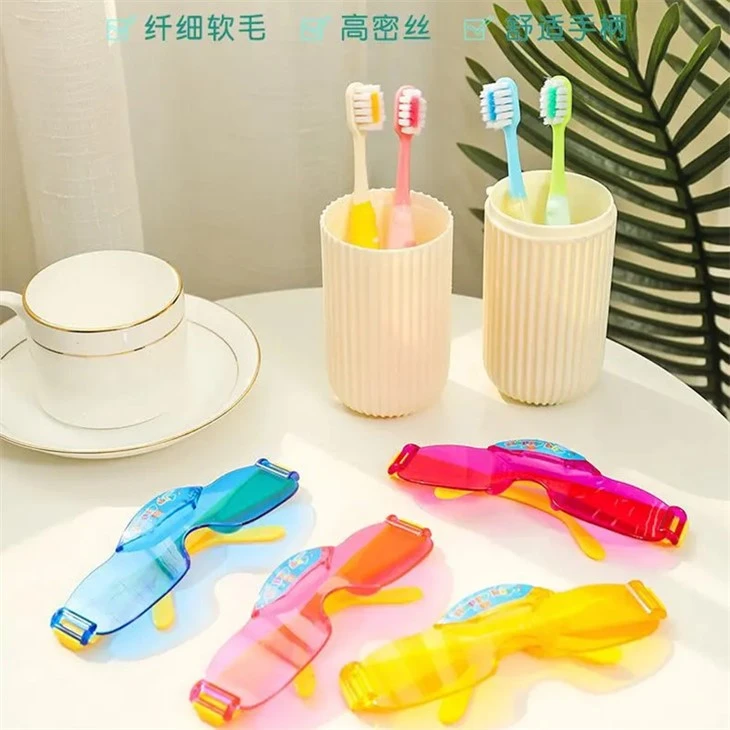
After each use, rinse the toothbrush under running water for at least 30 seconds. Make sure to clean all the bristles, as food particles and bacteria can get trapped in them. Gently shake the toothbrush to remove excess water. Avoid leaving the toothbrush in a closed container or a damp environment, as this can encourage the growth of mold and bacteria. Instead, store it in an upright position in a well - ventilated area so that it can dry completely between uses.
Replacing the Toothbrush
It's important to replace your child's first toothbrush regularly. The American Dental Association recommends replacing a toothbrush every three to four months. However, if the bristles become frayed or worn out before this time, it's time for a replacement. Frayed bristles are less effective at cleaning teeth and can even damage the gums.
Special Considerations for Different Types of Toothbrushes
- Pediatric Toothbrush: Pediatric toothbrushes are designed specifically for children. They usually have smaller heads and softer bristles to accommodate a child's smaller mouth and delicate teeth and gums. When taking care of a Pediatric Toothbrush, follow the same cleaning and replacement guidelines as a regular toothbrush. However, be extra careful when handling it, as the small parts can be easily lost.
- Fun Toothbrush: Fun toothbrushes are often designed with attractive characters or colors to make brushing more enjoyable for children. These toothbrushes may have additional features such as special handles or built - in timers. When cleaning a Fun Toothbrush, pay attention to these features. Make sure to clean all the nooks and crannies to prevent the accumulation of bacteria.
- Toothbrush for 6 Month Old: A Toothbrush for 6 Month Old is typically very small and soft. Since babies at this age are just starting to get their first teeth, the toothbrush is mainly used to clean the gums. After each use, rinse the toothbrush gently with warm water. You can also use a clean, damp cloth to wipe it down.
Additional Tips for Toothbrush Care
- Avoid Sharing Toothbrushes: Sharing toothbrushes can spread bacteria and germs between individuals. Each child should have their own toothbrush to maintain good oral hygiene.
- Keep the Toothbrush Away from the Toilet: The toilet can release bacteria into the air when flushed. Keep your child's toothbrush at a safe distance from the toilet to avoid contamination.
- Use a Toothbrush Cover with Caution: While toothbrush covers can protect the toothbrush from dust and debris, they can also create a moist environment that promotes bacteria growth. If you use a toothbrush cover, make sure to remove it and let the toothbrush dry thoroughly before putting it back on.
Encouraging Good Oral Hygiene Habits
Taking care of the first toothbrush is not only about the physical care of the brush itself but also about instilling good oral hygiene habits in children. Make brushing fun and engaging for your child. You can sing a brushing song, play a short video, or use a reward system to encourage them to brush regularly. By making oral care a positive experience, you can help your child develop a lifelong habit of good oral hygiene.
Conclusion
As a supplier of My First Toothbrush, I am committed to providing high - quality products and educating parents and caregivers about proper toothbrush care. By following these tips, you can ensure that your child's first toothbrush remains clean, effective, and safe. If you are interested in purchasing our My First Toothbrush products or have any questions about toothbrush care, please feel free to contact us for further discussion. We look forward to working with you to promote the oral health of your children.
References
- American Dental Association. (2023). Toothbrush Care and Replacement. Retrieved from [Website of American Dental Association]
- Pediatric Dentistry Journal. (2022). Best Practices for Children's Toothbrush Care.