

As a dedicated supplier of kids' toothbrushes, I often encounter parents grappling with the question of how frequently they should replace their children's electric toothbrush heads. It's a crucial inquiry that directly impacts the oral health of our little ones. In this blog, I'll delve into the factors that determine when it's time for a replacement, backed by scientific evidence and practical insights.
The Importance of Replacing Toothbrush Heads
Before we get into the replacement frequency, it's essential to understand why replacing your kid's electric toothbrush head is so important. Toothbrushes are constantly exposed to bacteria, food particles, and saliva in the mouth. Over time, these elements can accumulate on the bristles, making the toothbrush less effective at cleaning teeth and potentially introducing harmful bacteria back into the mouth.
A worn - out toothbrush head also loses its ability to clean teeth properly. The bristles become frayed, bent, or splayed, which means they can't reach all the crevices and surfaces of the teeth. This can lead to plaque buildup, cavities, and gum disease in children.
Factors Affecting Replacement Frequency
1. Age of the Child
Younger children may not have the dexterity to brush their teeth properly, which can result in uneven wear on the toothbrush bristles. Toddlers might chew on the toothbrush or brush too aggressively, causing the bristles to wear out faster. On the other hand, older children who have better brushing techniques may have a more evenly worn toothbrush head.
2. Brushing Habits
The frequency and duration of brushing play a significant role. If a child brushes their teeth for the recommended two minutes, twice a day, the toothbrush head will experience more wear compared to a child who brushes less frequently or for a shorter time. Also, the pressure applied during brushing matters. Aggressive brushing can cause the bristles to become frayed prematurely.
3. Quality of the Toothbrush Head
The quality of the toothbrush head itself is a determining factor. Higher - quality toothbrush heads are often made of more durable materials that can withstand more wear and tear. At our company, we offer a range of high - quality toothbrush heads, such as our Pediatric Toothbrush and Micro Toothbrush, which are designed to last longer while still providing excellent cleaning performance.
4. Oral Health Conditions
If a child has certain oral health conditions, such as braces or a high risk of cavities, the toothbrush head may need to be replaced more often. Braces can trap food particles and bacteria more easily, and the toothbrush has to work harder to clean around them. This can lead to faster wear of the bristles.
General Recommendations
Based on dental experts' advice, a good rule of thumb is to replace your kid's electric toothbrush head every three to four months. This time frame takes into account the normal wear and tear of the bristles during regular brushing.
However, it's important to also inspect the toothbrush head regularly. If you notice that the bristles are frayed, bent, or splayed before the three - to four - month mark, it's time to replace the head. Additionally, if your child has been sick, it's advisable to replace the toothbrush head to prevent re - infection.
Signs That It's Time to Replace the Toothbrush Head
1. Visible Bristle Wear
Frayed, bent, or splayed bristles are the most obvious signs that the toothbrush head needs to be replaced. When the bristles lose their shape, they can no longer effectively reach and clean all areas of the teeth.
2. Reduced Cleaning Performance
If you notice that your child's teeth don't seem as clean after brushing as they used to, it could be a sign that the toothbrush head is no longer working effectively. This might be due to worn - out bristles that can't remove plaque and debris as well.
3. Discoloration or Odor
A discolored toothbrush head or an unpleasant odor can indicate the presence of bacteria. This is a clear sign that the toothbrush head should be replaced to maintain good oral hygiene.
Our Product Offerings
As a kids' toothbrush supplier, we understand the importance of providing high - quality and functional toothbrushes for children. Our Fun Design Toothbrush is not only designed to appeal to kids but also to ensure effective cleaning. The toothbrush heads are made of soft, durable bristles that are gentle on children's teeth and gums.

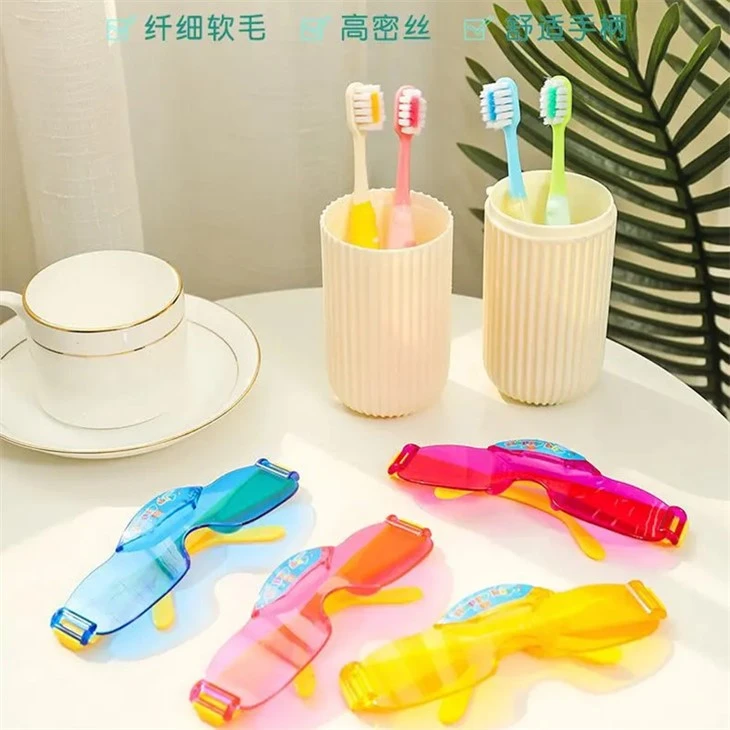
We also offer a variety of replacement heads to fit different models of our electric toothbrushes. These replacement heads are designed to maintain the same level of performance as the original heads, ensuring that your child's teeth are always cleaned properly.
How to Extend the Life of the Toothbrush Head
While it's important to replace the toothbrush head regularly, there are some steps you can take to extend its life.
1. Proper Storage
After brushing, rinse the toothbrush head thoroughly under running water to remove any remaining toothpaste, food particles, and bacteria. Store the toothbrush in an upright position to allow it to air dry. Avoid storing the toothbrush in a closed container, as this can create a moist environment that promotes bacterial growth.
2. Avoid Sharing
Each child should have their own toothbrush to prevent the spread of bacteria. Sharing toothbrushes can introduce different types of bacteria to the toothbrush head, increasing the risk of infection.
Conclusion
In conclusion, replacing your kid's electric toothbrush head every three to four months is a good general guideline, but it's important to also pay attention to the condition of the bristles. By regularly inspecting the toothbrush head and replacing it when necessary, you can ensure that your child's teeth are properly cleaned and their oral health is maintained.
If you're interested in learning more about our kids' toothbrushes and replacement heads, or if you're a retailer looking to stock our products, we welcome you to reach out to us for a procurement discussion. We're committed to providing the best oral care solutions for children.
References
- American Dental Association. (2023). Guidelines for Toothbrush Use and Replacement.
- Pediatric Dentistry Journal. (2022). Impact of Toothbrush Head Replacement on Children's Oral Health.
- Journal of Dental Hygiene. (2021). Factors Affecting the Lifespan of Toothbrush Heads in Pediatric Patients.