

Hey there! As an oral care supplier, I've seen firsthand the importance of good oral hygiene. But sometimes, people don't realize they're not taking good care of their teeth and gums. So, in this blog post, I'm gonna go over some signs of poor oral care.
Bad Breath
One of the most obvious signs of poor oral care is bad breath, also known as halitosis. Bad breath can be caused by a bunch of things, like food particles stuck in your teeth, gum disease, dry mouth, or even certain foods you eat. When you don't brush and floss regularly, those food particles can sit in your mouth and start to rot, which creates a stinky smell.
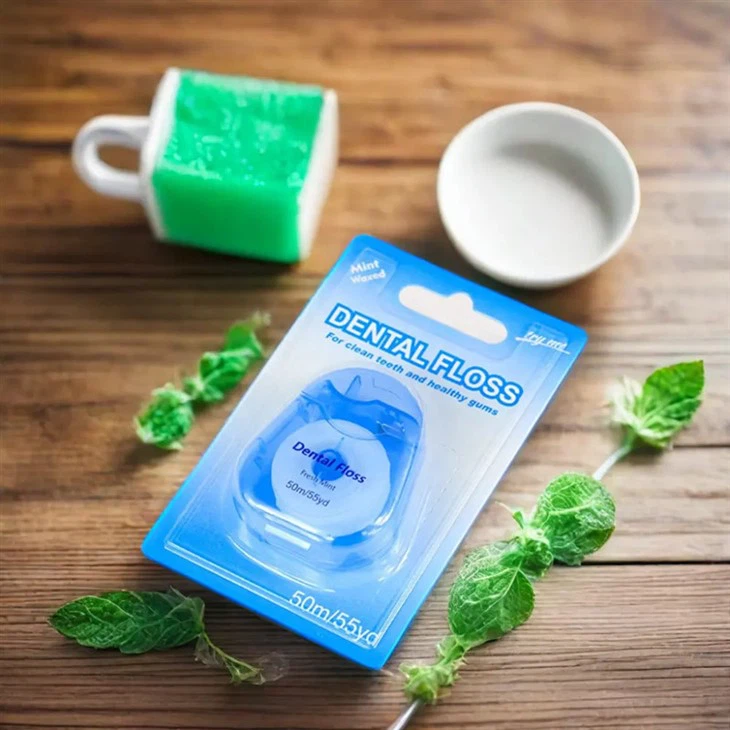

If you notice that your breath smells bad even after brushing your teeth, it could be a sign that you need to step up your oral care routine. You might also want to try using a tongue scraper to get rid of any bacteria on your tongue. And if bad breath persists, it's a good idea to see a dentist to rule out any underlying health issues.
Tooth Decay
Tooth decay is another common sign of poor oral care. When you eat sugary or starchy foods, the bacteria in your mouth turn those sugars into acids. These acids can wear away the enamel on your teeth, creating cavities. If you don't treat cavities, they can get worse and eventually lead to toothaches, infections, and even tooth loss.
You can usually tell if you have a cavity if you have a toothache, sensitivity to hot or cold foods, or a visible hole in your tooth. To prevent tooth decay, it's important to brush your teeth at least twice a day, floss daily, and limit your intake of sugary and starchy foods. You might also want to consider using a fluoride toothpaste or mouthwash to help strengthen your enamel.
Gum Disease
Gum disease, also known as periodontal disease, is a serious condition that can lead to tooth loss if left untreated. It's caused by a buildup of plaque and tartar on your teeth, which can irritate your gums and cause them to become inflamed. Symptoms of gum disease include red, swollen, or bleeding gums, bad breath, and loose teeth.
If you notice any of these symptoms, it's important to see a dentist as soon as possible. Treatment for gum disease usually involves a deep cleaning of your teeth, called scaling and root planing, to remove the plaque and tartar. In some cases, you might also need antibiotics to treat the infection.
Tooth Sensitivity
Tooth sensitivity is another common sign of poor oral care. It's usually caused by exposed tooth roots, which can happen when your gums recede. When your tooth roots are exposed, they can be sensitive to hot, cold, sweet, or acidic foods and drinks.
If you have tooth sensitivity, you might want to try using a toothpaste for sensitive teeth. You should also avoid brushing your teeth too hard, as this can cause your gums to recede even more. And if your tooth sensitivity persists, it's a good idea to see a dentist to find out what's causing it.
Stained Teeth
Stained teeth can be a sign of poor oral care, as well as other factors like smoking, drinking coffee or tea, or taking certain medications. When you don't brush your teeth regularly, plaque and tartar can build up on your teeth, which can make them look yellow or brown.
To prevent stained teeth, it's important to brush your teeth at least twice a day and floss daily. You might also want to consider using a whitening toothpaste or mouthwash to help remove stains. And if you smoke or drink a lot of coffee or tea, you might want to cut back or quit to prevent further staining.
Dry Mouth
Dry mouth, also known as xerostomia, is a condition where your mouth doesn't produce enough saliva. Saliva is important because it helps to wash away food particles and bacteria in your mouth, and it also contains enzymes that help to break down food. When you have dry mouth, you're more likely to get cavities, gum disease, and bad breath.
There are a lot of things that can cause dry mouth, like certain medications, medical conditions, or even just breathing through your mouth. If you have dry mouth, you might want to try drinking more water, chewing sugar-free gum, or using a saliva substitute. And if your dry mouth persists, it's a good idea to see a dentist or doctor to find out what's causing it.
How Our Oral Care Products Can Help
As an oral care supplier, we offer a wide range of products to help you maintain good oral hygiene. For example, our Flavored Tooth Picks are a great way to clean between your teeth and freshen your breath. They come in a variety of flavors, so you can choose the one you like best.
Our Thick Floss is perfect for people with wider gaps between their teeth. It's thicker and stronger than regular floss, so it can remove more plaque and debris. And our Refillable Floss is a convenient and eco-friendly option. You can refill the dispenser with more floss when it runs out, so you don't have to keep buying new packages.
If you're interested in learning more about our oral care products or if you have any questions, please don't hesitate to reach out. We're here to help you achieve and maintain good oral health. Whether you're a dental professional looking to stock up on supplies or an individual looking for high-quality oral care products, we've got you covered.
Conclusion
Taking good care of your teeth and gums is essential for your overall health. By paying attention to the signs of poor oral care and taking steps to improve your oral hygiene, you can prevent tooth decay, gum disease, and other oral health problems. And if you need any help or advice, don't hesitate to contact us. We're here to support you on your journey to better oral health.
References
- American Dental Association. (n.d.). Oral Health Topics. Retrieved from https://www.ada.org/en/public-programs/consumer-information/oral-health-topics
- Mayo Clinic. (n.d.). Bad Breath. Retrieved from https://www.mayoclinic.org/diseases-conditions/bad-breath/symptoms-causes/syc-20352927
- WebMD. (n.d.). Gum Disease. Retrieved from https://www.webmd.com/oral-health/gum-disease-overview