

Traveling is one of life's greatest pleasures, allowing us to explore new places, experience different cultures, and create unforgettable memories. However, maintaining our oral hygiene routine can be a challenge when we're on the go. Among the many oral care practices, flossing is often overlooked but is crucial for removing plaque and food particles from between our teeth and along the gumline. As a supplier of Best Way To Floss, I'm here to share some of the best ways to floss when traveling.
The Importance of Flossing While Traveling
When we travel, our daily routines are disrupted, and we may not have access to our usual oral care products and environment. This can lead to a buildup of plaque and bacteria in our mouths, increasing the risk of cavities, gum disease, and bad breath. Flossing helps to prevent these issues by removing debris that brushing alone cannot reach. It also stimulates the gums, promoting blood circulation and keeping them healthy. Even when you're away from home, maintaining a regular flossing routine can help you avoid dental problems and keep your smile bright.
Choosing the Right Floss for Travel
One of the first steps in ensuring effective flossing while traveling is selecting the right type of floss. There are several options available, each with its own advantages.
- Woven Dental Floss: Woven dental floss is a great choice for travel because it is strong and less likely to break. Its unique woven design allows it to glide easily between teeth, even those that are tightly spaced. This type of floss is also effective at removing stubborn plaque and food particles.
- Refillable Floss: Refillable Floss is another convenient option for travelers. It comes in a compact container that can be easily refilled, reducing waste and saving space in your travel bag. Refillable floss is also available in different flavors, making it more enjoyable to use.
Portable Flossing Tools
In addition to traditional floss, there are several portable flossing tools that can make flossing on the go easier and more convenient.
- Floss Picks: Floss picks are small, disposable tools that have a piece of floss stretched between two prongs. They are easy to use and can be carried in your pocket or purse. Floss picks are a great option for quick and on-the-spot flossing, especially when you don't have access to a sink.
- Interdental Brushes: Interdental brushes are small brushes that are designed to clean between teeth. They come in different sizes to fit different gaps between teeth. Interdental brushes are more effective than floss at removing plaque from wider spaces between teeth. They are also easy to use and can be carried in a travel case.
- Water Flossers: Water flossers are handheld devices that use a stream of water to clean between teeth and along the gumline. They are more effective than traditional floss at removing plaque and food particles, especially for people with braces or other dental appliances. Water flossers are also easy to use and can be a great option for travelers who want a more thorough clean. However, they can be bulky and require access to a power source or batteries.
Tips for Flossing on the Go
Once you've chosen the right floss or flossing tool for your trip, here are some tips to help you floss effectively while traveling:

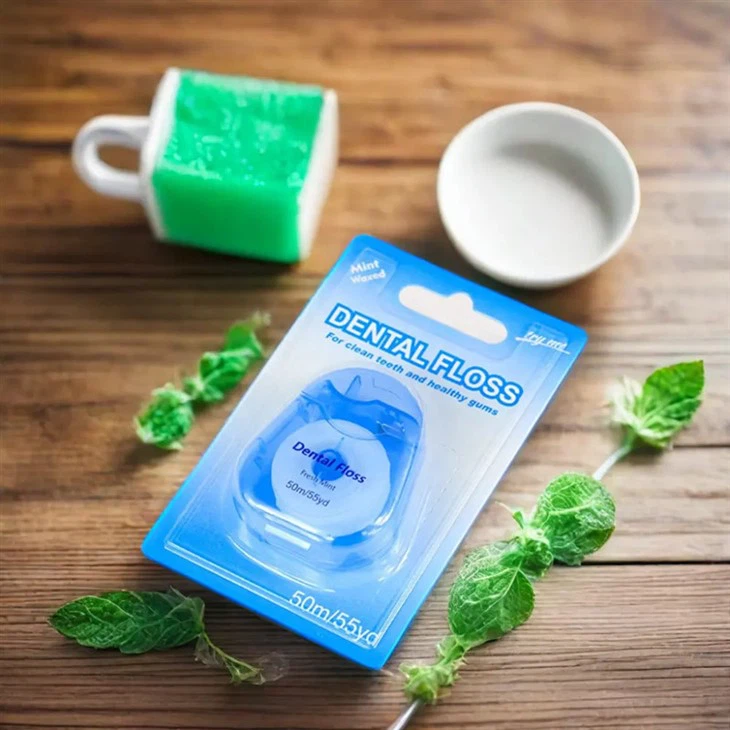
- Make a Schedule: Just like at home, it's important to make flossing a part of your daily routine while traveling. Set aside a specific time each day to floss, such as before bedtime or after meals. This will help you stay consistent and ensure that you don't forget to floss.
- Carry Floss with You: Keep a supply of floss or flossing tools with you at all times. Whether you're exploring a new city or sitting on a plane, having floss on hand will allow you to clean your teeth whenever needed. You can also keep a small travel-sized container of floss in your backpack, purse, or pocket.
- Use Public Restrooms: If you don't have access to a sink in your hotel room, look for public restrooms where you can floss. Most restaurants, cafes, and shopping malls have restrooms that are clean and well-maintained. Just make sure to bring a small travel-sized toothbrush and toothpaste with you to rinse your mouth after flossing.
- Be Mindful of Your Surroundings: When flossing in public, be mindful of your surroundings and try to be discreet. Avoid flossing in front of others or in areas where it may be considered inappropriate. You can also use a small mirror to help you see what you're doing and make sure you're flossing effectively.
- Stay Hydrated: Drinking plenty of water is important for overall health, including oral health. Water helps to rinse away food particles and bacteria from your mouth, reducing the risk of cavities and gum disease. Make sure to drink plenty of water throughout the day, especially after meals and before bedtime.
Maintaining Oral Hygiene in Different Travel Situations
Traveling can take you to different environments and situations, each with its own challenges when it comes to maintaining oral hygiene. Here are some tips for flossing in different travel situations:
- On a Plane: Flossing on a plane can be challenging, especially if you're in a crowded seat. However, it's still important to take care of your teeth and gums. You can use a floss pick or interdental brush to clean between your teeth during the flight. You can also bring a small travel-sized toothbrush and toothpaste to rinse your mouth after eating or drinking.
- Camping or Hiking: When camping or hiking, you may not have access to running water or a sink. In this case, you can use a waterless toothpaste or mouthwash to clean your teeth and freshen your breath. You can also use a floss pick or interdental brush to clean between your teeth. Make sure to pack enough floss or flossing tools for the duration of your trip.
- In a Foreign Country: When traveling to a foreign country, it's important to be aware of the local water quality. In some countries, the tap water may not be safe to drink or use for oral hygiene. In this case, you can use bottled water to rinse your mouth after flossing. You can also bring a water purification tablet or filter to make the tap water safe to use.
Conclusion
Maintaining good oral hygiene is essential, even when you're traveling. By choosing the right floss or flossing tool, making a schedule, and being mindful of your surroundings, you can ensure that you're taking care of your teeth and gums while on the go. As a supplier of Best Way To Floss, we're committed to providing high-quality oral care products that make it easy for you to maintain your oral hygiene routine, no matter where you are in the world.
If you're interested in learning more about our products or would like to discuss a potential partnership, please don't hesitate to reach out. We're always happy to answer your questions and help you find the best flossing solutions for your needs.
References
- American Dental Association. (n.d.). Flossing. Retrieved from [Website of the American Dental Association]
- Mayo Clinic. (n.d.). Flossing: How to do it right. Retrieved from [Website of the Mayo Clinic]
- World Health Organization. (n.d.). Oral health. Retrieved from [Website of the World Health Organization]